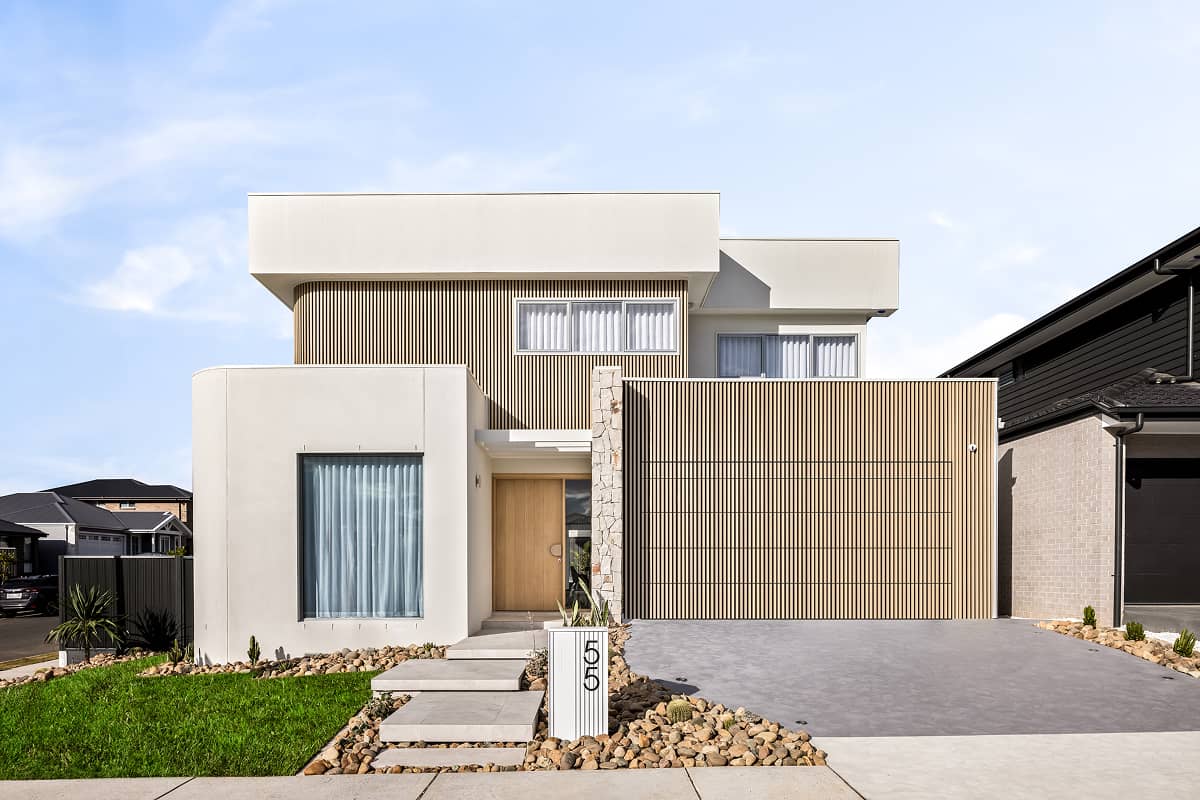

When we think of copyright, we usually associate the term with the rules used to prevent unauthorised reproductions of music, sound recordings, films, and other broadcast recordings. However, home builders may not realise that copyright rules also extend to house designs.
What is copyright?
According to Australian Law, copyright is an automatic right, which protects any expression of an original idea. In Australia, the Copyright Act (1968) gives building designers a set of exclusive rights to:
- reproduce the work in a material form;
- publish the work; and
- communicate the work to the public.
This means that unless otherwise agreed, the building designer owns the copyright to their intellectual property, including the design plans, drawings, and any detailed descriptions. House design copyrights can exist in all forms, including hand-drawn house designs or software-created works.
What is not covered in these copyright laws?
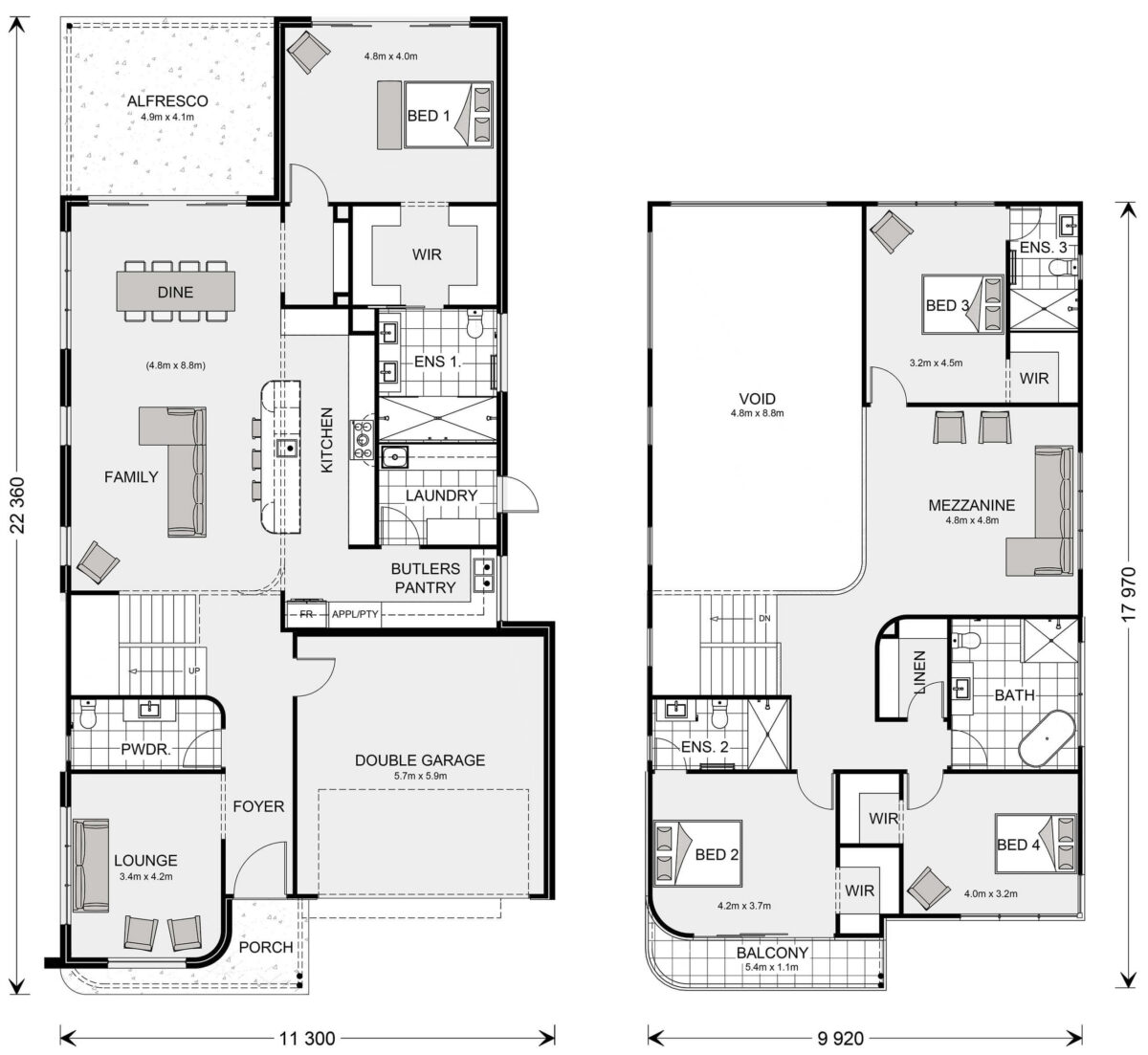
The only exceptions to copyright rules are the ideas, styles, and techniques involved in building construction. For example, if a home designer has the idea of a family home with a gabled roof, and a large outdoor area facing the sunset – these ideas are not covered by the copyright law and can be used by other designers or builders. In this case, only the drawings, plans, models, and buildings that the designer creates featuring these ideas would be protected by the house design copyright.
This means that if you have engaged someone to draw up the plans for your dream house or download existing plans found online, copyright prevents you from simply taking their work and asking someone else to build it for cheaper. However, your builder does have the flexibility to build anything else you would like, as long as the design does not bear any resemblance to or infringe on the original building designer’s copyrighted work. If in doubt, seek legal advice before proceeding ahead.
What happens if copyright is breached?
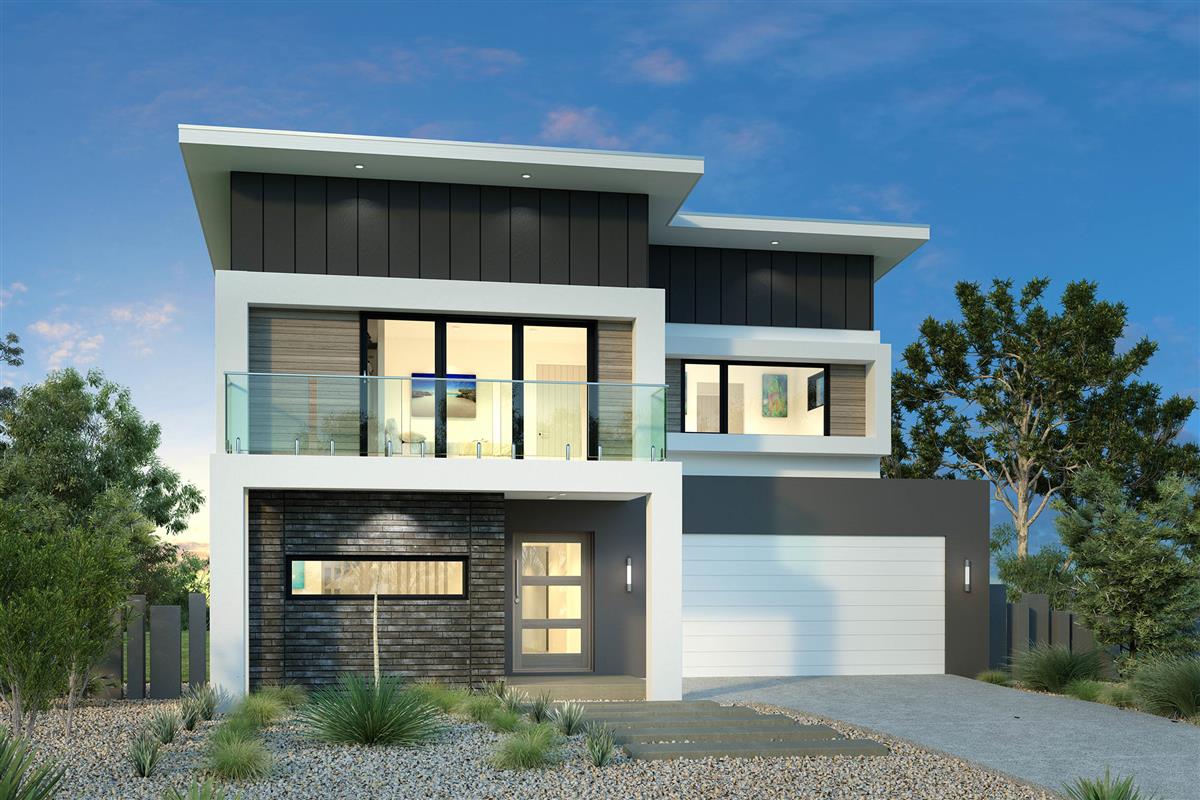
If a building designer discovers that any substantial part of their work has been reproduced without their express permission, they are entitled to launch civil action in court against the infringing party.
The court will look at the evidence presented to determine whether substantial reproduction has taken place. However, determining whether substantial reproduction has taken place is at the discretion of the court. The belief that only common belief that copyright infringement can be avoided by changing 10% of the is incorrect and has no legal basis.
If the court finds that a designer has infringed on a creator’s intellectual copyright, they may be ordered to stop construction or be liable for damages payable to the copyright owner, including any legal costs. In some cases, copyright infringement on a commercial level may be considered a criminal offence.
What can I do?
The easiest and most effective way to go about things is to first ask for permission from the copyright holder. The building designer can grant a licence or assign their copyright to you, usually for a fee that is still less than the potential legal costs. In this case, it is advised to have a written final agreement between you and the building designer signed and dated for good measure.
When it comes to ensuring the viability of your house design, don’t turn your dream build into a legal nightmare.
Category
Planning your Home
Inspired by this post? Get curated home design advice delivered to you.
Related articles
Category
Planning your Home
G.J. Gardner Homes is committed to creating high-performing homes for the whole family. Through efficient use of space, we configure…
Category
Planning your Home
So, how do we design future-proofed family homes? The most recent AIFS study has found that young Australians are living…
Category
Planning your Home
Viewings are a crucial part of your home buying journey. From display models to open homes, firsthand experience helps you…
Category
Planning your Home
Australia leads as the builders of the world’s biggest homes – and they just keep getting bigger as most Australians…
Category
Planning your Home
The choices you make during the design journey to brighten your home is bound to transform your daily life. Light…
Category
Planning your Home
With every project, G.J. Gardner Homes always takes an individualised approach to work best with the block of land. When…
Category
Planning your Home
Most home buyers can attest that finding the right plot of land to meet your ideal location, size, and price…
Category
Planning your Home
Over the past two years of confinement, our homes have become a time capsule of the many changes to our…
Category
Planning your Home
Multigenerational households are a growing trend in Australia, and it’s changing the way we live and our requirements for home…
Category
Planning your Home
Considering the societal shift towards spending more and more time in the home, it can be especially important to feel…
Category
Planning your Home
What is a floor plan? Floor plans are in-scale drawings from a perspective of the relationship between the different rooms,…
Category
Planning your Home
The Rise in Multigenerational Households Multigenerational households refer to homes where multiple generations of people live under one roof. This…
Category
Planning your Home
One of the key features of a liveable home is a floor plan that is optimised for both the movements…
Category
Planning your Home
If you’re planning to build a new home, part of the process is inevitably deciding on a home design. It’s…
Category
Planning your Home
Is downsizing the new upsizing? We certainly think so. Let’s face it, it’s a bit pointless having three empty bedrooms…
Contact Us
"*" indicates required fields