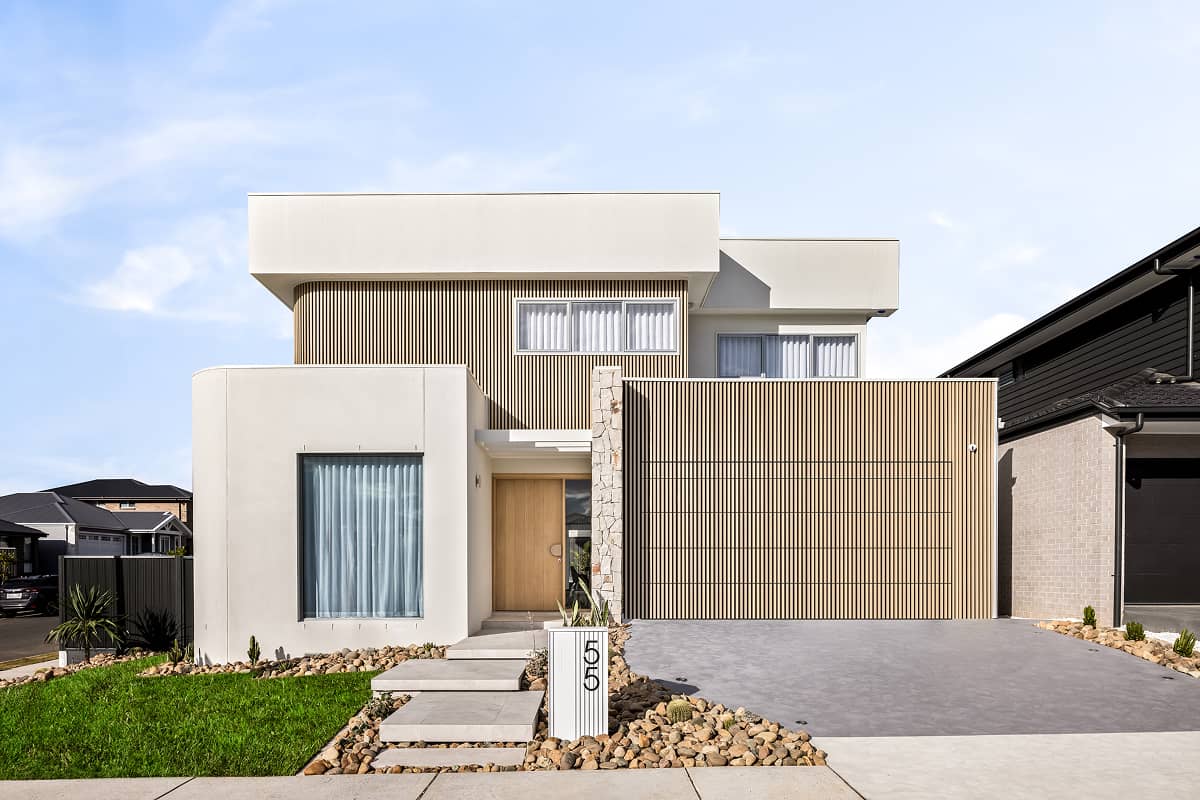

So, how do we design future-proofed family homes?
The most recent AIFS study has found that young Australians are living at home with their parents for longer than ever before. Family homes may have been designed under the assumption that your children would be moving out by the time they reach adulthood. But the current Australian culture has parents and their adult children cohabiting for much longer. In fact, the recent census saw 30% of 25-year-olds still living at home.
At G.J. Gardner Homes, our design range is consistently updated to reflect the cultural trends we’re seeing in the Australian market. Our multi-generational living home plans, dual occupancy homes and zoned floor plans offer the perfect option for families preparing for the future. We’re designing more than ever with an emphasis on features, space and privacy to create homes that a future-proofed for families.
Why are young people living at home for longer?
The AIF points to numerous factors causing the increase in young people living at home over the last decade. Whilst the pandemic definitely saw more families living together under one roof, this shift actually predates it.
The rising cost of living in capital cities, employment changes and the rental market in the last ten years have all contributed to young people not leaving home until later. The AIF also claims that young people’s move to stay “liv[ing] with parents is likely a key factor in addressing wellbeing” issues, due to the support and comfort that might be provided at home.
With this context in mind, our designers have sought to make our family home plans attuned to Australia’s multi-generational dynamic. Whether the decision to stay at home is financial, emotional or obligatory, our designs are focused on giving each family member their own space and privacy for a harmonious living condition.
Home design ideas for living with adult children
When it comes to designing our family home floor plans, we focus on your family’s needs now and in the future. We integrate certain design choices to help homes not only be great for adult children, but still compatible with your children whilst they’re still young.
Here are a few ideas we tend to incorporate:
Separate living space:
Our parents’ zones and kids’ zones are a core part of our family home designs. These spaces offer separate living areas for the adult children and the parents. The kids’ zone can be easily evolved as your child grows, from playroom to home office. Through separation areas, both parents and kids can have privacy while maintaining a sense of togetherness.
Shared common areas:
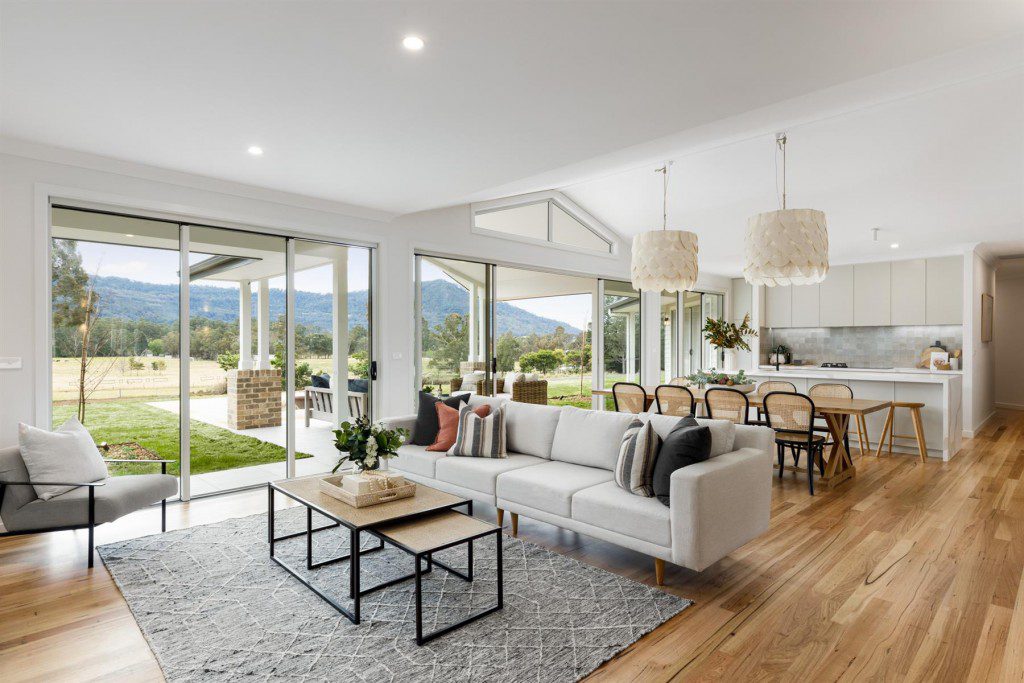
Open plan living always makes homes feel more spacious and welcoming. A shared communal area offers a space for the family can come together, such as a spacious kitchen, dining room or a cosy family room. These shared spaces should be designed for comfort and easy social interaction, with enough space for the family to spread out and co-exist harmoniously.
Flexible spaces:
The flexi-space is essential to our home designs of today to ensure families have the space and adaptability to let their homes change just as they do. Flexible spaces can serve multiple purposes: a home office, a guest bedroom or maybe, a home gym room. By incorporating these extra spaces into your home design, you prepare for any changes in the future and make sure you have the space to keep everyone comfortable.
Storage solutions:
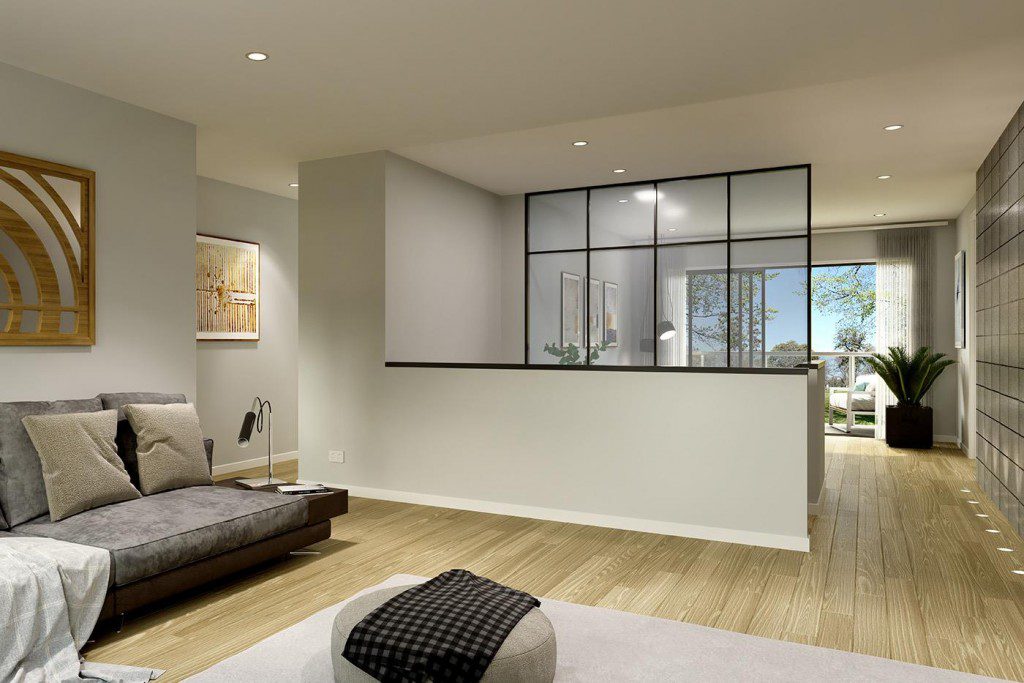
Ample storage is crucial in a multi-generational home. Features like walk-in closets, built-in shelving and efficient storage solutions help keep the space organised as you store multiple adults’ life possessions. We focus on using shrewd storage solutions throughout our design to maximise our family homes’ functionality.
Multigenerational living with G.J. Gardner Homes
Multigenerational home designs offer the opportunity for families to share living spaces while maintaining their independence and support networks. If you’re considering a home that caters to the rising trend of adult children living at home, reach out to your local G.J. Gardner Homes office to explore our future-proofed family floor plans.
Category
Planning your Home
Inspired by this post? Get curated home design advice delivered to you.
Related articles
Category
Planning your Home
G.J. Gardner Homes is committed to creating high-performing homes for the whole family. Through efficient use of space, we configure…
Category
Planning your Home
Viewings are a crucial part of your home buying journey. From display models to open homes, firsthand experience helps you…
Category
Planning your Home
Australia leads as the builders of the world’s biggest homes – and they just keep getting bigger as most Australians…
Category
Planning your Home
The choices you make during the design journey to brighten your home is bound to transform your daily life. Light…
Category
Planning your Home
With every project, G.J. Gardner Homes always takes an individualised approach to work best with the block of land. When…
Category
Planning your Home
Most home buyers can attest that finding the right plot of land to meet your ideal location, size, and price…
Category
Planning your Home
Over the past two years of confinement, our homes have become a time capsule of the many changes to our…
Category
Planning your Home
Multigenerational households are a growing trend in Australia, and it’s changing the way we live and our requirements for home…
Category
Planning your Home
When we think of copyright, we usually associate the term with the rules used to prevent unauthorised reproductions of music,…
Category
Planning your Home
Considering the societal shift towards spending more and more time in the home, it can be especially important to feel…
Category
Planning your Home
What is a floor plan? Floor plans are in-scale drawings from a perspective of the relationship between the different rooms,…
Category
Planning your Home
The Rise in Multigenerational Households Multigenerational households refer to homes where multiple generations of people live under one roof. This…
Category
Planning your Home
One of the key features of a liveable home is a floor plan that is optimised for both the movements…
Category
Planning your Home
If you’re planning to build a new home, part of the process is inevitably deciding on a home design. It’s…
Category
Planning your Home
Is downsizing the new upsizing? We certainly think so. Let’s face it, it’s a bit pointless having three empty bedrooms…
Contact Us
"*" indicates required fields