
Updated: 7 October 2026
The renovation vs knockdown decision, made simpler
You love the street, the neighbours and the location, but the house itself no longer fits how your Family lives. This is the point where the renovation vs knockdown question starts to feel urgent, and it is worth slowing down before you commit to either path.
There is no single right answer here. The right call depends on your block, your budget, your home’s current condition, and how much you are willing to work around an existing structure versus starting fresh. Before you get into comparing costs or picturing floorplans, it helps to answer three practical questions first.
- Does your home face council or heritage restrictions? Some properties sit within a heritage overlay or are subject to local demolition controls, which can limit or rule out a full knockdown. It is worth checking your local council’s planning rules early, since requirements vary between areas and can affect your options significantly.
- What is the size, scope and budget of the project? A small update, like a new bathroom or an extra bedroom, rarely justifies a full rebuild. A larger project with a budget stretching into the hundreds of thousands is where a knockdown rebuild becomes genuinely worth comparing.
- What condition is your current home really in? Structural issues, poor orientation, rising damp or termite damage all change the equation. These need a professional assessment before you can make a fair comparison between renovation vs knockdown.
Working through these three questions gives you an honest starting point before you weigh up either path.
When a knockdown rebuild is the better move
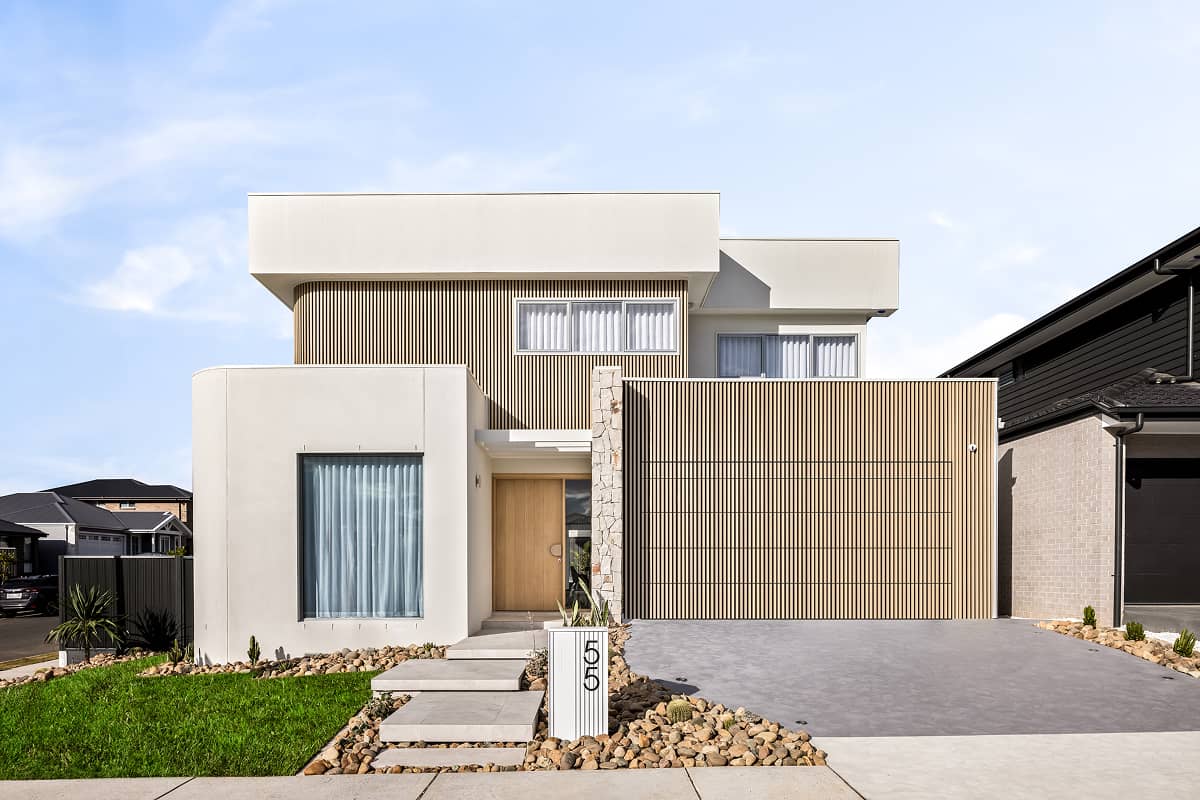
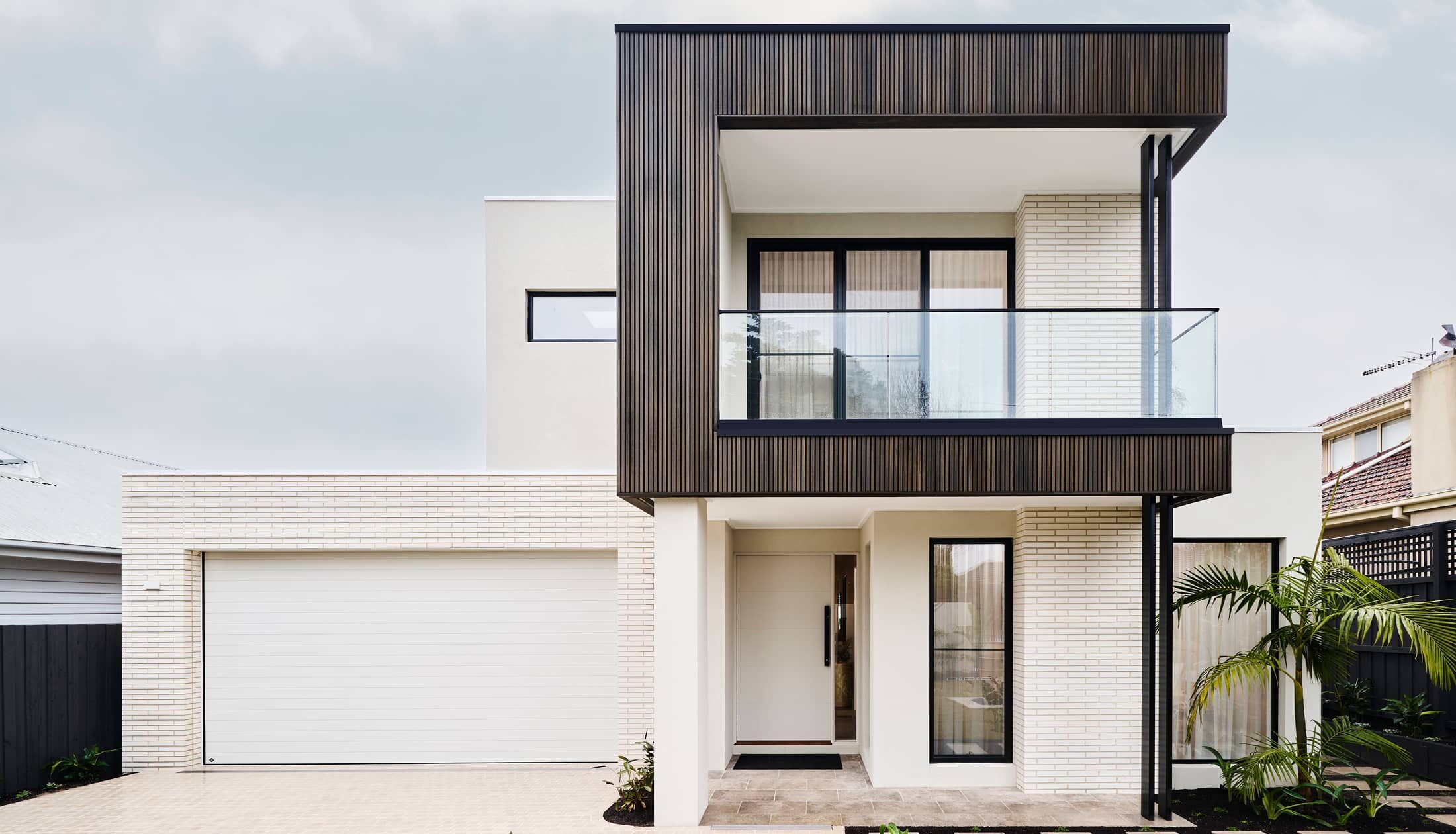
A knockdown rebuild has become a common choice for good reason. When the renovation vs knockdown decision comes down to what you actually want from your next home, starting fresh often wins out, particularly if your existing house is holding you back rather than adding to your lifestyle. Here is what makes a rebuild worth considering.
- Full design freedom: With no existing walls, foundations, or layout to work around, every decision, from orientation to room flow to street appeal, is yours to make from scratch.
- Built for modern living and energy efficiency: New homes are designed to current standards for insulation, glazing, and orientation, which generally means better comfort and lower running costs than an older home that predates these benchmarks. You can check how ratings are measured through the Home Energy Rating scheme.
- Low maintenance: New materials, new systems, and a home built to today’s codes mean fewer repairs and lower upkeep costs in the years ahead.
- Clearer cost control: A fixed price building contract sets your total cost upfront, so you are not exposed to the budget blowouts that can come with unpicking an older structure.


A rebuild is not always the right call, though. If the home has real character worth keeping, a renovation may still be the smarter route.
When a renovation makes more sense
Renovating lets you keep what you love about an older home while updating it to suit today. For many Families weighing up a renovation vs knockdown, the choice comes down to how much the existing structure has to offer. If the bones are good and the block still works for you, a renovation can deliver a home that feels new without losing the character that drew you there in the first place.
- It’s a character home in a character street. If your home’s style and history carry weight in the local market, a sympathetic renovation can protect that value. Homes within a heritage overlay or heritage listing often face restrictions on demolition, so renovation may be the only compliant path forward anyway.
- You’re starting with a strong structure and good orientation. Sound foundations, solid framing, and a well-placed layout make renovation work go further. A professional building condition assessment before you commit will confirm whether the structure is genuinely worth building on.
- You want to stage the project. Spreading the work over several years lets you manage cash flow and fit the build around life events, rather than committing to one large spend upfront.
The honest downside is compromise. Working around an existing structure often means adjusting your design brief, whether that’s ceiling heights, room placement, or how far you can open up a floor plan. The trade-off worth planning for is cost certainty, which is where the numbers deserve a closer look.
Cost, time and the hidden surprises to plan for
Cost and time are usually what tips the decision one way or the other. In the renovation vs knockdown debate, the biggest wildcard is what you cannot see. Older homes hide their problems well, and it is only once walls come down or floors come up that issues like ageing wiring, rising damp, or termite damage reveal themselves. Each one adds cost and stretches your timeline, and it is nearly impossible to price for what you have not yet found.
A knockdown rebuild works differently. Once your existing house is demolished, you are building on a clean, known site rather than working around an existing structure. Demolition itself typically runs from around $17,000 up to $40,000 or more depending on size, access and materials like asbestos, and it is a cost you can quote and plan for upfront. From there, a fixed price contract covers the build, giving you a dollar figure you can rely on rather than a moving target.
Common hidden renovation costs to budget for include:
- Outdated or unsafe electrical wiring requiring a full upgrade
- Termite damage or timber rot found once walls are opened
- Structural issues with foundations or framing
- Plumbing that needs replacing to meet current standards
- Council or engineering costs triggered by unexpected findings
Fixed pricing with no hidden extras gives Families the confidence to plan a budget and stick to it. With the numbers clearer, the last step is matching the right path to your home and your Family.
How to decide, and how G.J. Gardner Homes can help
The right answer comes down to your home, your budget and how you want to live. There is no single correct choice in the renovation vs knockdown decision, only the choice that fits your circumstances. Before you commit either way, run through this checklist:
- Home condition: Is your existing structure sound, or are you looking at termite damage, ageing wiring, or foundation issues that could blow out a renovation budget?
- Love of the existing home: Does your house have character or heritage value worth preserving, or is it simply occupying land you love?
- Budget certainty: Do you need a fixed, predictable cost from day one, or are you comfortable with the unpredictability that comes with opening up an older home?
- Lifestyle goals: Are you after a staged project you can live through, or a clean break that delivers a home built around how your Family lives now?
Once you have worked through these points honestly, the right path usually becomes clear.
G.J. Gardner Homes has years of experience guiding Families through the knockdown rebuild process, from council checks and demolition through to the final handover. Every build comes with fixed pricing and no hidden extras, so you know your numbers before you commit. Your local team knows the area, understands council requirements, and is there to support you at every stage, all under The G.J. Way.
Get in touch with your local team and we will help you shape the right home in the neighbourhood you already love.
Category
Knockdown Rebuild
Inspired by this post? Get curated home design advice delivered to you.
Contact Us
"*" indicates required fields