
The path to homeownership is paved with many new concepts and processes. Stamp duty is just one of these many costs that’s exclusive to home buying, and represents a tax placed on property transfers.
Whether you’re buying your home or building anew, the land purchase makes stamp duty an unavoidable cost to pay. Whilst it varies from state to state, stamp duty tends to be a sizeable two to three percent of the purchase price.
From seasoned property investors to first-time buyers, a comprehensive understanding of stamp duty is crucial to understanding the overall cost of your home. We’ve compiled your guide to stamp duty so you can stay informed with your home purchase decisions.
What is stamp duty?
Stamp duty is a type of tax home buyers pay when property is transferred from one owner to another. The exact amount of stamp duty you will need to pay will depend on the state or territory you are in, the value of the land and the type of property you are building such as a typical home, townhouse or apartment.
The name comes from the stamp originally used to confirm that this type of tax had been paid. Today, stamp duty is of course done electronically but reflects a traditional part of home purchasing.
Who pays stamp duty?
Stamp duty is always paid by the buyer, not the seller. However, not all home buyers pay stamp duty. Exemptions are offered to a wide range of circumstances and this decrease in the overall cost helps mitigate the costs associated with home buying.
Stamp duty exemptions:
First home buyers:
Many states and territories offer exemptions or concessions on stamp duty to first-home buyers. These exemptions are typically based on the purchase price of the property. In New South Wales, for example, first-home buyers purchasing a property valued up to $650,000 are exempt from paying stamp duty. Over that price but under $800k, NSW first-time home buyers are still eligible for concessions as well.
Investment properties:
Some states and territories charge lower rates or no stamp duty on investment properties. This is because investment properties are seen as generating income for the owner and widening the rental market.
Concessions on stamp duty:
Some states and territories also offer concessions on stamp duty to help minimise the tax. Concessions are typically based on the purchase price of the property, or the type of property being purchased. For example, in Victoria, first-home buyers purchasing a property valued between $600,000 and $750,000 are eligible for a concessional rate of stamp duty.
How to reduce the cost of stamp duty
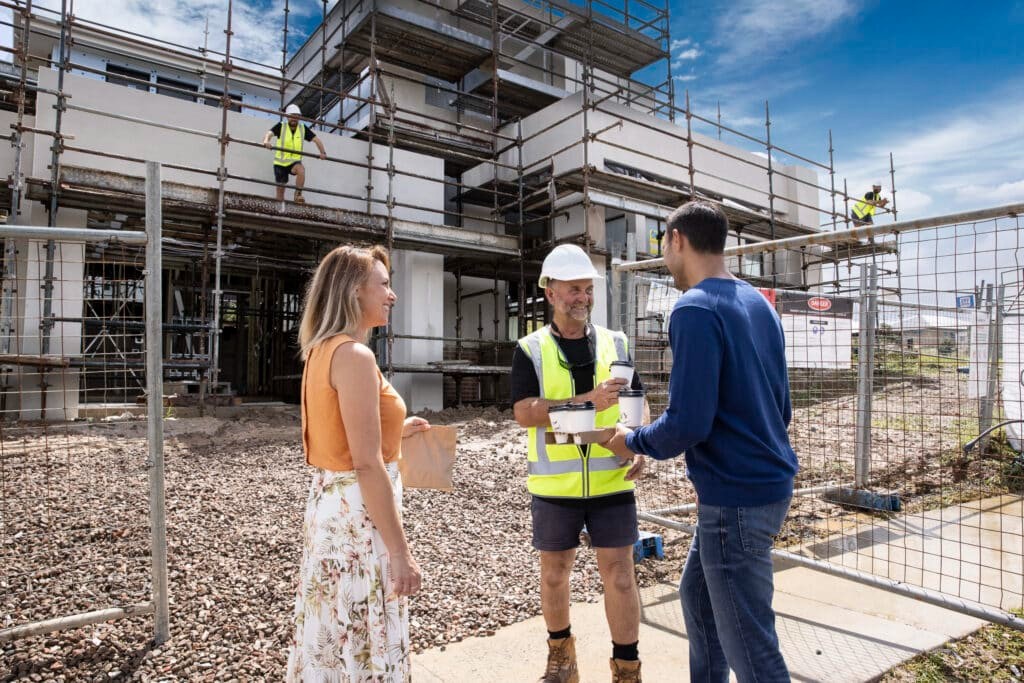
- Purchase the property early in the construction stage: The value of land tends to increase as construction progresses, so buying the land early can save you money on stamp duty.
- Choose a smaller block of land: the value of land is based on its size, so choosing a smaller block can reduce the amount of stamp duty you need to pay.
- Work with your builder to manage costs: G.J. Gardner Homes can help you to make informed decisions about the design and materials of your home with an overall understanding of your budget. By working together, you can keep costs down and potentially reduce the amount of stamp duty you need to pay.
Category
Cost to Build
Inspired by this post? Get curated home design advice delivered to you.
Related articles
Category
Cost to Build
Self-managed superfunds offer Australians the unique opportunity to privately run their superfunds. With traditional superfunds, super is managed by specific…
Category
Cost to Build
With a knockdown rebuild, you have the opportunity to achieve a new home while maintaining your location. From the demolition…
Category
Cost to Build
The 2023/2024 federal budget has made new changes to the existing schemes and processes for financing a home across Australia….
Category
Cost to Build
Buying a home is one of life’s most exciting and anxious times and for most, it’s a once in a…
Category
Cost to Build
Many Australian homebuyers weigh up the decision between purchasing an existing home and building something from scratch. One of the…
Category
Cost to Build
If you’ve been browsing home designs online or visiting display homes, you will probably find yourself liking a bit of…
Category
Cost to Build
First home buyers, downsizers and single parents were among some of the winners of the 2021 Federal Budget. Treasurer Frydenberg’s…
Category
Cost to Build
If you’re doing research on building a new home, you’ll know that many builders offer promotions and giveaways. You may…
Category
Cost to Build
Building a new home is a great adventure. It should be a fun, enjoyable and stress-free process. After all, this…
Category
Cost to Build
If you’re going through the process of costing up a new home build, you’ll know that there is no shortage…
Category
Cost to Build
What are downsizer contributions? Downsizer contributions are voluntary superannuation contributions that have been targeted towards older Australians looking to downsize…
Category
Cost to Build
As Australians, we’re lovers of the great outdoors. There aren’t many better ways to spend time in the sunshine and…
Category
Cost to Build
There are three key reports that every new home builder should order before committing to a builder’s contract. Soil test…
Category
Cost to Build
This post sets the record straight and makes it easier to outline the average costs to build a 4 bedroom house in Australia.
Category
Cost to Build
If you’re building or buying a new home, there’s a good chance you’ll need to pay stamp duty. If you’re…
Category
Cost to Build
Forget the quips about avoiding smashed avo – we’ll show you how to start saving for a house deposit.
Category
Cost to Build
So you want to build a home in Melbourne, but you’re not sure how much it will cost? We’ve got you covered. Here, we outline the cost of building a new home in Melbourne – with a few must-know tips to get your budget sorted.
Category
Cost to Build
If you’ve long dreamed of owning your own home but feel overwhelmed how to save your house deposit – you’re…
Category
Cost to Build
In recent years, the price of Australian property has skyrocketed. If you’re lucky enough to have a big backyard, your…
Contact Us
"*" indicates required fields